
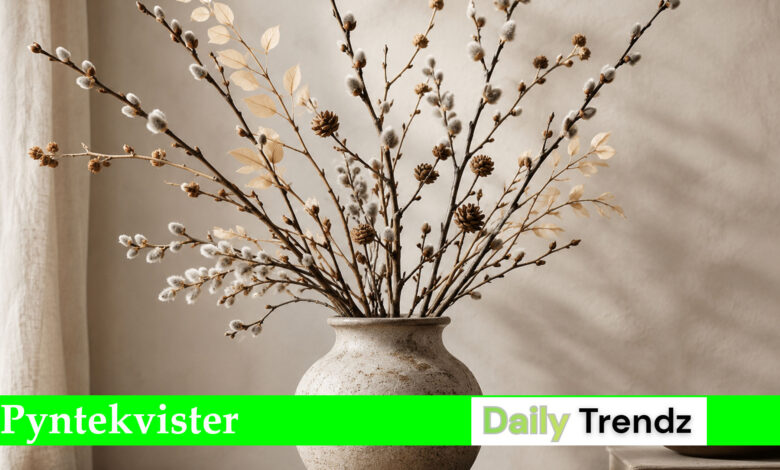
Decorating a home is about more than simply filling empty spaces. It is about creating warmth, personality, and a sense of harmony that reflects your lifestyle. One decorative trend that continues to gain popularity in Scandinavian-inspired interiors is Pyntekvister. These decorative branches bring a timeless natural element into homes while remaining elegant, versatile, and easy to style.
Whether you prefer modern minimalism, rustic charm, or cozy Nordic aesthetics, Pyntekvister can instantly elevate a room without overwhelming the design. Their beauty lies in simplicity. A carefully arranged branch in a ceramic vase can create just as much visual impact as expensive decorative pieces. This makes them a favorite choice for interior enthusiasts looking for affordable yet stylish decor solutions.
Another reason people love decorative branches is their adaptability throughout the seasons. You can use them with fresh flowers in spring, fairy lights during winter, or dried ornaments in autumn. Because of this flexibility, Pyntekvister remain a long-lasting decorative investment that never feels outdated.
Why Pyntekvister Are Becoming So Popular
Interior design trends have shifted toward more natural and calming environments in recent years. People are increasingly bringing outdoor elements indoors to create peaceful living spaces. This is where Pyntekvister shine. They introduce texture, height, and organic beauty without requiring extensive maintenance.
Unlike artificial decor that can sometimes feel lifeless, decorative branches provide an authentic and earthy touch. Their irregular shapes and natural details make every arrangement unique. This uniqueness appeals strongly to homeowners who want personalized interiors rather than mass-produced decoration styles.
Social media platforms have also contributed to the growing popularity of decorative branches. Scandinavian decor influencers frequently use Pyntekvister in living rooms, dining tables, bedrooms, and even office spaces. Their ability to fit seamlessly into both luxury and budget-friendly interiors makes them incredibly appealing to a wide audience.
Popular Materials Used for Decorative Branches
| Material Type | Style Appeal | Best Use |
|---|---|---|
| Birch Branches | Scandinavian and minimal | Living rooms and hallways |
| Willow Branches | Rustic and natural | Farmhouse interiors |
| Cherry Blossom Branches | Elegant and soft | Bedrooms and dining areas |
| Dried Cotton Branches | Cozy and textured | Autumn decor |
| Eucalyptus Branches | Fresh and calming | Bathrooms and kitchens |
“Nature-inspired decor creates a timeless atmosphere that never goes out of style.”
How to Style Pyntekvister in Different Rooms
One of the biggest advantages of Pyntekvister is their flexibility. They work beautifully in almost every room of the house. Even a simple arrangement can completely transform the atmosphere of a space.
In living rooms, tall decorative branches placed beside a sofa or fireplace create a sophisticated focal point. Minimalist interiors especially benefit from the height and structure they add. Pairing branches with neutral-colored vases enhances the clean Scandinavian aesthetic many homeowners desire.
Bedrooms also become more calming and inviting when decorative branches are incorporated thoughtfully. A small vase with soft branches on a bedside table introduces texture without cluttering the space. Many people choose eucalyptus or cherry blossom styles to create a serene and relaxing mood.
Kitchens and dining spaces can benefit from Pyntekvister as well. A centerpiece featuring natural branches adds elegance during family dinners or social gatherings. Seasonal decorations can also be attached to the branches to create festive charm throughout the year.
The Scandinavian Influence Behind Pyntekvister
Scandinavian interior design focuses heavily on simplicity, functionality, and natural beauty. Decorative branches perfectly reflect these principles, which explains why Pyntekvister have become closely associated with Nordic homes.
The Scandinavian approach avoids excessive decoration and instead highlights meaningful design elements. Decorative branches fit this philosophy because they are subtle yet visually striking. Their natural imperfections contribute authenticity and warmth to modern interiors.
Another reason Scandinavian decor embraces decorative branches is sustainability. Many homeowners prefer reusable and eco-friendly decorative options rather than constantly purchasing trendy items. Natural branches can often be reused, repainted, or restyled for different seasons, making them both stylish and environmentally conscious.
Seasonal Decorating Ideas with Pyntekvister
Decorative branches are not limited to one specific season. In fact, their year-round versatility is one of the reasons they remain such a popular design choice.
During spring, fresh greenery and pastel ornaments can be added to create bright and cheerful arrangements. Cherry blossom-inspired Pyntekvister are especially popular during this season because they symbolize renewal and freshness.
Summer styling often focuses on simplicity. Light branches in glass vases paired with coastal-inspired decor create an airy and relaxed atmosphere. Many people combine decorative branches with candles or woven textures for a natural summer look.
Autumn allows homeowners to experiment with warm tones, dried leaves, and rustic textures. Decorative branches decorated with small pumpkins, orange ribbons, or dried flowers can instantly create cozy seasonal vibes.
Winter styling is perhaps the most magical. Fairy lights wrapped around Pyntekvister create soft illumination that makes any room feel warm and inviting. Many Scandinavian homes use decorative branches as an alternative to large holiday decorations because they provide elegance without taking up too much space.
Choosing the Right Vase for Decorative Branches
The vase you choose can significantly affect the overall appearance of your decorative arrangement. While the branches themselves are important, the vase acts as the foundation that ties everything together.
Minimalist ceramic vases are ideal for Scandinavian-inspired interiors. Their clean lines and muted colors allow the natural beauty of Pyntekvister to stand out without distraction. Glass vases, on the other hand, create a lighter and more modern appearance.
For rustic or farmhouse interiors, textured clay or vintage-style metal containers work exceptionally well. These materials add warmth and character that complement natural branches beautifully.
The size of the vase also matters. Tall branches require sturdy, balanced containers to prevent tipping. Shorter branches can be styled in smaller decorative vases placed on shelves, coffee tables, or countertops.
Benefits of Using Pyntekvister in Interior Design
Decorative branches offer several practical and aesthetic advantages that make them highly desirable in modern home styling.
First, they are incredibly low maintenance. Unlike fresh flowers that wilt quickly, many decorative branches maintain their appearance for months or even years. This makes them a cost-effective decorative solution for busy households.
Second, Pyntekvister add vertical dimension to interiors. Many rooms lack height variation, which can make spaces feel flat or incomplete. Tall branches naturally draw the eye upward and create visual balance.
Third, they complement almost every interior design style. Whether your home features industrial, minimalist, bohemian, or classic decor, decorative branches blend effortlessly with existing furniture and accessories.
Finally, decorative branches create a calming atmosphere. Natural elements are known to reduce stress and improve overall comfort within living spaces. Even small touches of nature can make a room feel more welcoming and peaceful.
DIY Ideas for Creating Personalized Pyntekvister
Many homeowners enjoy creating their own decorative branch arrangements because it allows for greater creativity and personalization. DIY styling is also budget-friendly and environmentally conscious.
A simple project involves collecting branches from outdoor spaces and painting them in colors that match your interior palette. White-painted branches are particularly popular in Scandinavian decor because they create a clean and elegant appearance.
You can also decorate branches with hanging ornaments, dried flowers, ribbons, or LED lights. These small additions allow Pyntekvister to adapt to birthdays, holidays, weddings, or seasonal celebrations.
Another creative idea is combining branches with handmade pottery or recycled containers. This creates a unique and artistic centerpiece that feels authentic and personal rather than mass-produced.
“Simple natural decor often creates the strongest visual impact.”
Common Mistakes to Avoid When Styling Decorative Branches
While decorative branches are versatile, there are still some styling mistakes that can reduce their visual appeal. One common issue is overcrowding. Too many branches in a small vase can look messy rather than elegant.
Balance is essential when styling Pyntekvister. The arrangement should feel natural and airy instead of forced or overly symmetrical. Allowing branches to spread organically often creates the most attractive result.
Another mistake is choosing a vase that is too small or too decorative. If the container overwhelms the branches, the arrangement loses its natural elegance. Neutral and balanced styling typically works best.
Lighting should also be considered carefully. Decorative branches placed in dark corners may lose their visual impact. Positioning them near natural light sources enhances their textures and details beautifully.
How Pyntekvister Improve Modern Minimalist Spaces
Minimalist interiors often rely on carefully selected decorative elements rather than excessive ornamentation. Decorative branches work perfectly in these spaces because they provide beauty without clutter.
A single arrangement of Pyntekvister can become a statement piece in an otherwise simple room. Their natural forms create movement and texture while preserving the clean, uncluttered appearance that minimalist design emphasizes.
Many designers use decorative branches to soften modern interiors that feature concrete, metal, or monochrome color palettes. The contrast between natural textures and sleek materials creates a visually balanced environment that feels both stylish and comfortable.
Conclusion
Decorative branches have become one of the most elegant and versatile trends in modern interior design, and it is easy to understand why. Pyntekvister offer a unique combination of simplicity, natural beauty, affordability, and timeless style. They can transform almost any room while remaining adaptable to changing seasons and decor trends.
Whether you are designing a minimalist Scandinavian home or simply looking for a subtle way to refresh your space, decorative branches provide endless creative possibilities. Their ability to create warmth, texture, and visual balance makes them a valuable addition to modern interiors.
From DIY projects to luxurious arrangements, Pyntekvister continue to inspire homeowners who appreciate nature-inspired decor that feels authentic and welcoming.
FAQ About Pyntekvister
What are Pyntekvister used for?
Pyntekvister are decorative branches used in interior design to add natural beauty, texture, and elegance to homes. They are commonly styled in vases, table centerpieces, and seasonal displays.
Are Pyntekvister suitable for minimalist homes?
Yes, decorative branches are perfect for minimalist interiors because they create visual interest without adding clutter. Their clean and natural appearance complements Scandinavian and modern decor styles beautifully.
Can Pyntekvister be used year-round?
Absolutely. Pyntekvister are highly versatile and can be styled differently for every season. You can add flowers in spring, dried leaves in autumn, and fairy lights during winter.
How do I clean decorative branches?
Most decorative branches can be cleaned using a soft cloth or gentle dusting brush. Artificial versions may also be lightly rinsed with water depending on the material.
Which vase works best with Pyntekvister?
Neutral ceramic, glass, or clay vases work best because they highlight the natural beauty of the branches without overpowering the arrangement.
Are natural or artificial Pyntekvister better?
Both options have advantages. Natural branches provide authentic texture and uniqueness, while artificial branches offer long-lasting durability and require less maintenance.
Can I make DIY Pyntekvister at home?
Yes, many people create DIY decorative branches using collected branches, paint, dried flowers, and ornaments. This allows for personalized and budget-friendly decor styling.
People Also Read:
Çeviit: The Rising Digital Trend Transforming Online Communication
Bynethi com: Everything You Need to Know About This Emerging Online Platform
Who Is Elliott Yamin Net Worth: A Deep Look at the Singer’s Career, Income, and Success