

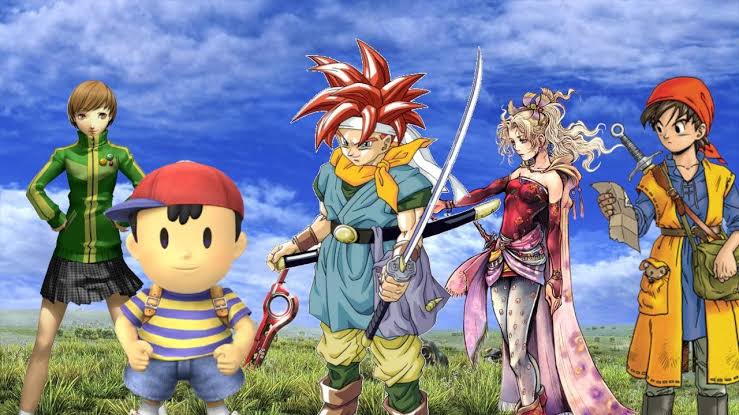
The standard complaint about JRPGs used to be the time commitment. A typical Final Fantasy or Persona ate sixty to a hundred hours, and that ruled the genre out for anyone with a job, a partner, or any responsibilities at all. The good news in 2026 is that this stereotype no longer matches the genre. There is a new generation of JRPGs and JRPG-adjacent games that respect your time, deliver their full creative vision in twenty to forty hours, and let you actually finish them.
This is a roundup of the short-form JRPGs worth playing right now on PC, with notes on what each one does well and how to think about pricing them.
Sea of Stars
Sabotage Studios released Sea of Stars in 2023 and it has steadily grown its audience since. It is the clearest descendant of Chrono Trigger in modern game development, with turn-based tactical combat, beautiful pixel art animation, and a tight thirty-hour main story. The combat system rewards timing button presses and managing combo magic, which keeps engagement high without requiring grinding.
What makes Sea of Stars distinct is restraint. There are no bloated systems, no padding, no twenty-hour mid-game lull. Every hour adds to the story or the mechanical complexity. For someone returning to JRPGs after years away, it is the easiest entry point in the genre right now. Comparing prices before buying is sensible because Sea of Stars price tracker pages show authorised retailers regularly listing the game well below the Steam price, often at half or less.
Chrono Trigger
The 1995 Square Enix classic finally got a proper PC port that runs natively on modern hardware. The original soundtrack is preserved, the sprite work is intact, and the only optional addition is a high-resolution rendering filter you can toggle. Twenty hours from start to finish on a first playthrough, with multiple endings worth multiple replays. Considered by many to be the best JRPG ever made, and the structural argument for that view holds up in 2026 just as well as it did three decades ago.
Live A Live
The HD-2D remake of the 1994 SNES original arrived on PC after its Switch debut. Eight separate short stories spanning prehistory to far future, each playable independently and each with a distinct combat system. Total length is around twenty-five to thirty hours. Live A Live is structurally unique in the JRPG canon and remains the most experimental short JRPG you can buy.
Octopath Traveler II
Square Enix delivered the sequel to its HD-2D experiment in 2023, and on PC it is a polished package. Eight protagonists with their own short campaigns, all converging in optional connected content. If you only want one campaign, you can finish it in twelve hours. If you want all eight, around forty-five. The flexibility is part of the appeal. Combat is fast, and the soundtrack alone is worth playing for.
Crisis Core Final Fantasy VII Reunion
A reissue of the 2007 PSP entry, polished for modern PC. Twenty-five to thirty hours, prequel to Final Fantasy VII, with action-RPG combat and an emotionally heavy story. Particularly recommended for anyone who played Final Fantasy VII Remake and wants context for characters that get fleshed out there. Steam price is reasonable, but as with most Square Enix titles on PC, authorised key retailers consistently price below the Steam default.
Cosmic Star Heroine
Zeboyd Games delivered an unapologetic homage to mid-90s JRPGs with this lower-budget gem. Twenty-five hours, vibrant style, fast combat, and a story that knows when to stop. Often discounted heavily because the developer is small, which makes it one of the best value-for-money entries in the entire genre.
Omori
Technically not a traditional JRPG, but JRPG enough in mechanics and structure that it belongs here. Twenty to thirty hours depending on which paths you explore. Psychological horror wrapped in a deceptively colourful art style. Not for everyone, but those who get it tend to call it one of the best games of the last five years.
Dragon Quest XI S Echoes of an Elusive Age Definitive Edition
Yes the title is a mouthful. The game is roughly forty hours if you stick to the main path, longer if you do everything. Closer to the upper end of what counts as a short JRPG in this list, but worth including because it is one of the most well-designed entries in the entire Dragon Quest series and the Definitive Edition adds quality of life features that meaningfully reduce padding.
Trials of Mana
Square Enix remade the 1995 SNES game for modern platforms and the PC version is solid. Twenty-five hours, three protagonists with branching campaigns, fast action-RPG combat. Lower production value than Final Fantasy releases but tighter design.
Bug Fables The Everlasting Sapling
A spiritual successor to Paper Mario that found its audience on PC. Twenty-five to thirty hours, charming art, and a refreshingly tight combat system that uses timing prompts well. The kind of indie JRPG that gets passed around through word of mouth because mainstream coverage tends to skip games at this scale.
Why short JRPGs are having a moment
There is a structural reason this list exists. The JRPG audience that grew up on Chrono Trigger, Final Fantasy VI, and Suikoden is now in their forties and fifties. Those players still love the genre but cannot reasonably commit a hundred hours to a single game. The result is a market signal that developers have responded to, particularly Japanese mid-budget studios and independent Western teams making JRPG-adjacent work.
Sea of Stars sold extraordinarily well for a small studio. Octopath Traveler II outperformed expectations at Square Enix. Live A Live sold well enough to justify its remake budget. Each of these successes has reinforced the case for short, structurally tight JRPGs. We are likely to see more of them in 2026 and 2027 as a result.
For anyone curious about exploring the trend more systematically, the editorial team at XD.deals recently published a roundup of top 10 short JRPGs you can finish quickly that covers slightly different ground from this article and is worth bookmarking if you want a regularly updated reference. The genre has grown enough that single articles no longer cover it comprehensively.
On pricing JRPGs specifically
A practical note. Older JRPGs reissued on PC, of which there are many, get especially aggressive pricing on authorised retailers. Square Enix titles in particular tend to discount more steeply through partner stores than on Steam directly. The gap between Steam and authorised retailer price for older Square Enix releases routinely sits around 30 to 50 percent, sometimes more during sales. For modern JRPGs the gap is smaller but still meaningful.
The pattern holds for most catalogue games. The longer a JRPG has been on the market, the bigger the typical gap between Steam and the cheapest authorised retailer. This is particularly true for the Definitive Edition reissues that JRPG publishers favour. Comparing before buying is worth the few seconds for any title that has been out longer than a year.
What to play first
If you have never played a JRPG and want to start somewhere, Sea of Stars is the safest recommendation. It is short, modern, beautiful, and inherits the best traditions of the genre without requiring you to know them. From there, Chrono Trigger is the historical tour, Live A Live is the experimental detour, and Octopath Traveler II is the polished modern flagship.
Whichever you pick, you can finish it in a couple of weeks of evening sessions, you will not feel obligated to grind, and you will come away understanding what a JRPG can be at its best when it respects the player’s time.
