

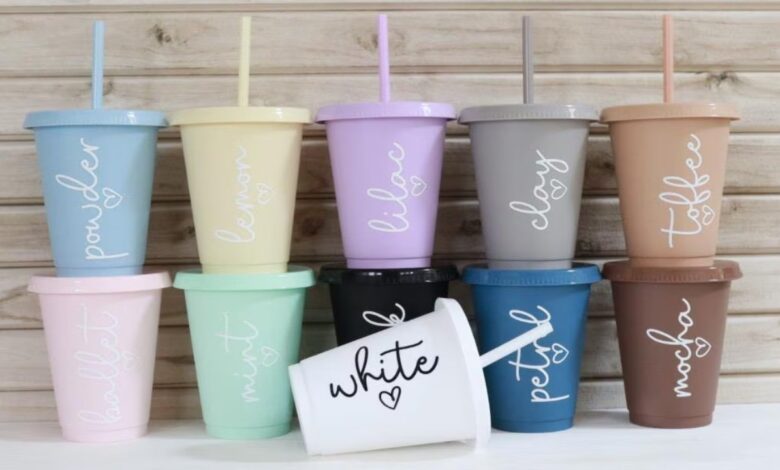
Selecting the right drinking cups for your children turns out to be way more significant than most parents think at first glance. The perfect cup doesn’t just hold liquid, it actively supports healthy development, builds confidence in little ones, and can genuinely transform mealtimes from stressful to enjoyable. As kids journey from those early infant months through their preschool years, their drinking abilities change dramatically, which means what worked at six months won’t cut it at three years old. Getting familiar with what’s out there and understanding what really matters can help you make choices that positively impact your child’s health, safety, and growing independence.
Understanding Developmental Stages and Cup Progression
About children’s drinking skills: they don’t happen overnight. This journey unfolds gradually over several years, and matching the right cup to where your child is right now makes all the difference between success and frustration. Most infants start transitioning away from bottles or breast around the six-month mark, though every baby develops at their own pace. During these early weeks, cups with sturdy handles and weighted bottoms give babies the stability they need while their tiny hands are still figuring out this whole gripping business.
Material Considerations for Safety and Durability
The materials that go into making children’s cups aren’t just about what looks nice, they fundamentally determine how safe, long-lasting, and practical those cups will be. Silicone has really taken off among parents who prioritize health because it naturally contains zero harmful chemicals like BPA, phthalates, or PVC that could potentially seep into drinks. This bendy, forgiving material also handles those inevitable drops like a champion, which makes it absolutely perfect for toddlers who are still working on their coordination and seem magnetically attracted to dropping everything they touch. Stainless steel cups bring serious durability to the table along with impressive insulation that keeps drinks cold or warm for hours, though they do make quite a racket when they hit the floor and can develop dents over time.
Spout and Lid Design Features
The spout or drinking mechanism on your child’s cup isn’t just a minor detail, it plays a surprisingly important role in both matching their developmental stage and making the whole drinking experience actually work. Soft silicone spouts feel gentle against those brand-new teeth and tender gums, making them the go-to choice for babies and young toddlers who are just starting to move beyond bottles. Hard spouts bring more durability to the mix and stand up well to enthusiastic chewers, though you’ll want to check them regularly for any cracks or damage that could turn into choking hazards. Straw cups actually encourage proper oral muscle development in ways that benefit speech later on, since sipping through a straw requires completely different muscle coordination than sucking from sippy spouts.
Size, Capacity, and Ergonomic Design
Getting the size and capacity right for children’s cups means they can manage them comfortably while getting enough fluids throughout their day. Cups designed for babies and younger toddlers usually hold somewhere between four and eight ounces, just enough to keep them from getting too heavy when filled while matching those smaller sips they take at this age. As kids get bigger, cups holding eight to twelve ounces start making more sense, cutting down on how often you’re running back for refills while still being manageable for those growing hands. When you’re working on building independence during meals and snack times, many parents discover that a thoughtfully designed a tumbler for toddlers hits that sweet spot between staying put and being easy to use. Ergonomic touches like textured grips, shapes that fit naturally in small hands, and handles sized appropriately for little fingers make cups way easier to hold securely, which builds confidence and cuts down on spills. The cup’s overall measurements should actually match your child’s hand size, cups with diameters that are too wide force awkward gripping that leads to frustration and cups bouncing off the floor. How the weight sits in the cup matters more than you’d think too, since designs with wider bases stay stable on tables and in uncertain grips, while top-heavy cups tip at the slightest nudge and make kids wary of trying.
Cleaning and Maintenance Requirements
How easy a children’s cup is to clean directly determines how hygienic it stays and how long it’ll actually last, which makes maintenance a critical factor when you’re deciding what to buy. Cups with minimal parts and straightforward designs are naturally easier to clean thoroughly, which means less chance of finding mysterious mold growing in those impossible-to-reach spots. Plenty of parents gravitate toward cups that come apart completely, letting you scrub every single component individually and ensuring nothing gross builds up in valves, straws, or those tricky lid mechanisms. Dishwasher-safe cups are absolute lifesavers for busy families, though you’ll want to check which rack the manufacturer recommends and whether high-heat cycles might warp or damage certain materials over time.
Special Features and Practical Considerations
Today’s children’s cups come loaded with clever features designed to tackle the real-world challenges parents deal with during meals and when you’re out and about. Spill-proof technology has gotten seriously impressive, with many cups now guaranteeing leak-proof performance when you’ve got the lid on properly, though it’s worth understanding that “spill-proof” typically means liquid won’t escape if the cup tips over, not that it’s immune to spills when kids are using it creatively. Temperature-sensitive materials that shift color when contents are too hot offer genuinely useful safety alerts, preventing burns from drinks that look harmless but are actually dangerously warm. Interchangeable lids and parts let a single cup body grow with your child, giving you the option to swap out sippy spouts for straw lids or ditch the lid completely for open-cup drinking as they develop.
Conclusion
Finding the right cups for kids really comes down to juggling multiple considerations, developmental readiness, safety standards, durability, and day-to-day practicality all need to factor into your decision. You’ll want to think about where your child is right now in their abilities while keeping an eye toward those upcoming milestones when choosing cups that’ll serve them well for months to come. Putting safe materials, age-appropriate designs, and easy cleaning at the top of your priority list ensures cups support healthy drinking habits without adding unnecessary stress to your already busy days. When you understand the various options out there and how they line up with children’s evolving needs, you can make informed choices that foster independence, encourage proper hydration, and genuinely make mealtimes more pleasant for everyone.